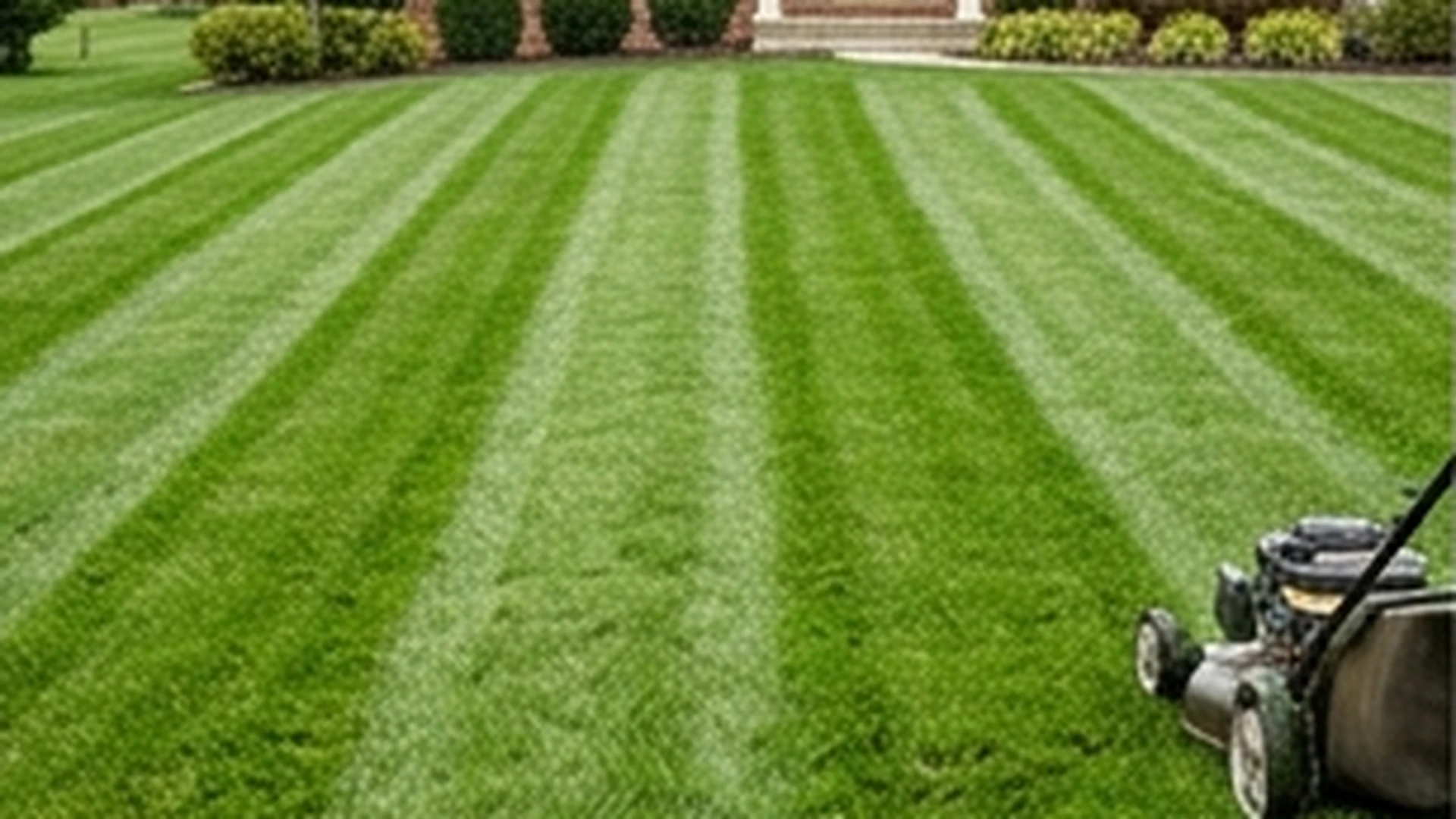
Specialty Lawn Services
Shade Lawn Solutions in Frederick, MD
Modified lawn care programs for Frederick properties with heavy oak, maple, and tulip poplar canopy — adjusted mowing height, reduced fertilization, and honest guidance on where turf is and is not a realistic option under deep shade.
Tall fescue is one of the more shade-tolerant cool-season grasses available for Frederick properties — more tolerant than Kentucky bluegrass, less tolerant than fine fescue blends. Under dappled or partial shade (4 to 6 hours of direct sun), tall fescue can maintain reasonable density with modified management. Under heavy canopy with less than 3 to 4 hours of direct sun, even shade-tolerant fescue varieties thin progressively each season until turf cannot compete.
The management requirements for Frederick shade lawns differ from full-sun turf in several important ways. Mowing height should be higher — up to 4 inches under heavy shade — to maximize the leaf area available for photosynthesis. Nitrogen fertilization should be reduced because shade-stressed grass cannot process high nitrogen loads efficiently, and excess nitrogen increases disease susceptibility in the low-light, high-humidity conditions under tree canopy. Irrigation should be managed carefully to avoid overwatering already-moist shade areas that stay damp longer than sun-exposed turf.
There are zones under heavy Frederick tree canopy where turf cannot realistically be maintained at acceptable density — areas directly under large oak crowns, north-facing slopes under combined canopy and structure shade, and areas where root competition from mature trees is severe. In these zones, accepting lower turf standards or transitioning to shade-tolerant ground covers is a more realistic approach than attempting to maintain dense grass against conditions the plant cannot overcome.
Frederick Shade Lawn Management
What Changes for Shade Lawns in Frederick
Frederick properties with mature deciduous tree cover — particularly oak and maple — present a real lawn management challenge that requires adapted practices rather than the same program applied to a full-sun property. Higher mowing height, appropriate shade-tolerant fescue seed blends in fall overseeding, reduced fertilizer nitrogen, careful irrigation management to avoid waterlogging in already-moist shade zones, and honest assessment of which areas can support turf and which cannot — these are the elements of a practical shade lawn program. We help Frederick property owners set realistic expectations for shaded areas and design maintenance programs that produce the best possible result within the constraints of what shade-grown turf can achieve.
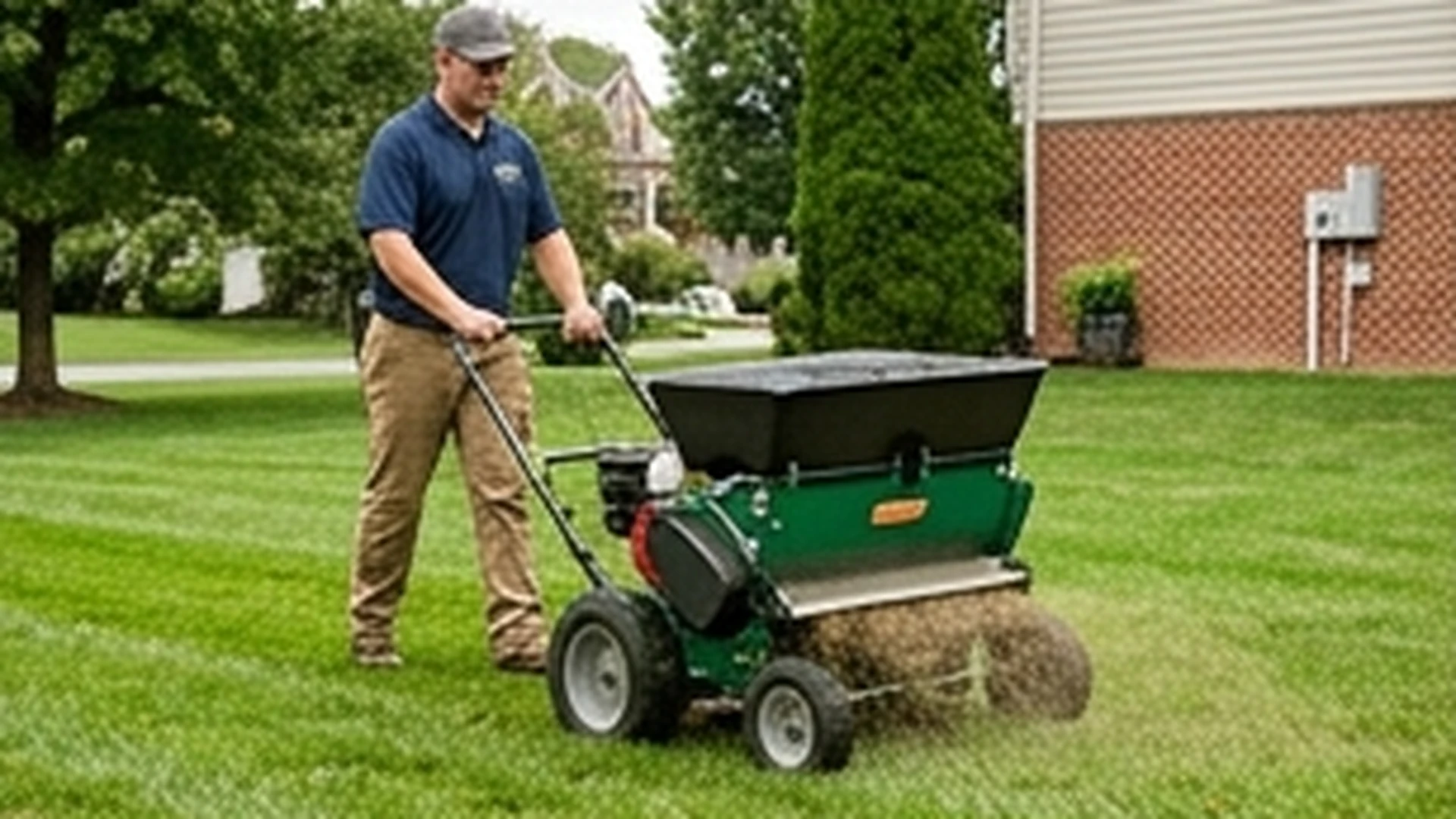
Shade Lawn Management Adjustments
A modified lawn care program for shaded Frederick properties adjusts several standard practices. Mowing height increases to 3.75 to 4 inches for areas receiving less than 6 hours of sun — this is significantly higher than the standard 3 to 3.5 inch height used for sun-exposed Frederick fescue and reflects the need for maximum leaf surface under light limitations. Fall overseeding uses shade-tolerant fescue blends (fine fescue or shade-tolerant tall fescue varieties) rather than standard sun blends. Fertilizer nitrogen is reduced by 25 to 40 percent compared to sun areas — shade-grown grass processes less nitrogen and excess nitrogen increases disease pressure in the high-humidity environment under canopy. Root competition from large trees is acknowledged as a factor; in areas with shallow oak or maple roots near the surface, even modified programs produce thin results.
Shade-Tolerant Seed Blends
Fine fescue varieties — creeping red fescue, chewings fescue, hard fescue — are the most shade-tolerant cool-season grasses available for Frederick lawns. They are thinner-bladed than tall fescue but establish and persist in shadier conditions. We select seed blends based on measured shade levels for each area.
Ground Cover Alternatives
For heavily shaded Frederick zones where turf cannot realistically compete, shade-tolerant ground covers — pachysandra, ajuga, liriope, wild ginger, or native ferns — can maintain attractive low-maintenance coverage where grass will not perform.
Shade Lawn Assessment and Program
Shade Assessment
Measure sun exposure in different zones and identify tree species causing shade to determine management approach per area.
Program Adjustment
Modify mowing height, fertilization rates, and overseeding blend for each shade zone on the property.
Fall Overseeding
Apply shade-appropriate fescue blend to thin areas in September — using varieties matched to actual shade levels.
Annual Evaluation
Assess shade areas each fall before overseeding — identify zones where turf performance justifies continued treatment vs. ground cover transition.
Tree Limb Removal Consideration
Selective limb removal by a certified arborist can increase sun exposure on Frederick shade lawns when tree structure allows. Even modest increases in sun exposure (from under 3 hours to 4+ hours) can meaningfully improve turf establishment potential.
Drought in Shade Areas
Frederick shade lawns under large trees can experience severe moisture competition from tree roots, creating drought stress in shade areas despite regular rainfall. This is one of the factors that makes some shade areas persistently thin despite good management.
Leaf Management in Shade Areas
Shade areas under large deciduous trees accumulate the heaviest leaf loads in fall. Prompt leaf removal from shade turf areas is especially important because the low-light shade turf is already stressed and cannot recover from extended leaf cover as readily as sun turf.
Disease Pressure
High humidity and low air circulation under Frederick tree canopy creates favorable conditions for fungal turf diseases, particularly in summer. Avoiding irrigation in shade areas, applying fungicide preventatively if disease history exists, and mowing with sharp blades to produce clean cuts all reduce disease pressure under canopy.
Get a Shade Lawn Program for Your Frederick Property
Contact us to discuss realistic options for the shaded areas of your Frederick lawn.
Request An EstimateCan any grass grow under heavy tree shade in Frederick?
Fine fescue varieties are the most shade-tolerant options for Frederick cool-season lawns — they can persist in areas with 3 to 4 hours of filtered sun. Under heavy canopy with less than 3 hours of sun and significant root competition, no grass variety performs well long-term, and ground cover alternatives become the more practical choice.
Should I mow shaded areas at a different height?
Yes. Shade-grown Frederick fescue should be mowed at 3.75 to 4 inches — significantly higher than the standard 3 to 3.5 inch height for full-sun areas. The higher height maximizes leaf surface for photosynthesis in low-light conditions and reduces the stress that contributes to shade turf thinning.
Do I need less fertilizer in shaded areas?
Yes. Shaded fescue in Frederick processes nitrogen less efficiently than sun turf and excess nitrogen increases disease pressure in the already-moist conditions under tree canopy. Fertilizer nitrogen rates in shade zones should be reduced by 25 to 40 percent compared to sun areas.
Overseeding Service
Fall overseeding with shade-appropriate fescue blends for thin Frederick shade lawn areas.
Fall Leaf Removal
Prompt leaf removal from shade turf areas — especially important under heavy canopy where leaf cover causes rapid turf decline.
Sloped Yard Mowing
Sloped Frederick properties with shade from overhead or uphill structures often combine shade and slope challenges.